 AsiaAnnounced — not yet open
Nepal Digital Nomad Visa: Requirements, Income & How to Apply (2026)
One of the cheapest nomad bases in the world, with a five-year visa announced in 2026 — though it isn't open yet. Last updated July 21, 2026.
Nepal has announced a digital nomad visa (Nepal Digital Nomad Visa (announced under the Economic Reform Implementing Work Plan 2025)) but the program is not yet accepting applications. This page tracks the official rules and will be updated the moment it opens.
Nepal digital nomad visa requirements
The official figures for the Nepal Digital Nomad Visa (announced under the Economic Reform Implementing Work Plan 2025), verified against the government source.
| Minimum income | $1,500/mo |
|---|---|
| Savings alternative | $20,000 |
| Validity | 5 years, renewable |
| Application fee | Not published |
| Processing time | Varies |
| Health insurance | Required |
| Criminal record check | Not required |
| Family allowed | No |
| Foreign income taxed | Yes (see taxes) |
| Special tax regime | Announced flat 5% tax on foreign earnings for nomads residing in Nepal more than 186 days in a year (proposed, not yet in force) |
Who can get the Nepal nomad visa
The announced eligibility rests mainly on money and remote work. You would need to show either monthly income above roughly US$1,500 or a bank balance above roughly US$20,000, plus health insurance worth at least US$100,000 valid in Nepali hospitals. The income is expected to come from outside Nepal, which is the usual line that separates a nomad visa from local employment.
Because the rules are not finalized, finer questions — minimum contract length, acceptable proof, and whether specific professions are favoured — are open. Nepali nationals would not apply for this visa; it is designed to bring foreign remote workers in.
- ✓ Accepts: Remote employees, Freelancers, Business owners
- ✓ Savings route: $20,000
- ! Private health insurance required
- ✓ No criminal-record check
- • Age: 18+
- • Not open to citizens of Nepal
The income requirement in detail
The provisional threshold is about US$1,500 a month, with a savings route of about US$20,000 offered as an alternative, both drawn from the 2025 reform plan and quoted in US dollars. That structure — income or a lump sum of savings — mirrors accessible Asian options like Thailand's DTV, and would place Nepal at the cheap end of the field.
Two cautions apply. First, these numbers are announced policy, not enacted regulation, so they may shift before launch. Second, the health-insurance requirement is steep for the price point: a US$100,000 policy valid in Nepal is a real cost to budget alongside the income proof.
Documents you'll need
- Valid passport
- Proof of monthly income above about US$1,500, or savings above about US$20,000 (provisional figures)
- Health insurance of at least US$100,000 valid for treatment in Nepal
- Evidence that your income is earned from outside Nepal (contract, client letters, or business documents)
Taxes on the Nepal nomad visa
The reform plan pairs the visa with a proposed flat 5% income tax on foreign earnings for nomads who reside in Nepal for more than 186 days in a calendar year. That is an attractive headline, but it is a proposed rate inside a policy document, not a tax regime you can rely on yet, which is why it is not recorded here as a confirmed flat rate. If you plan a long stay, treat the 5% as a possibility to confirm once the visa and its tax rule are actually in force.
This is general information, not tax advice. Your position depends on your home country and any tax treaty. See our guide to nomad visa taxes and confirm with a qualified adviser.
Bringing your family
Nepal's announcement did not address dependants. There is no confirmed way yet to bring a spouse or children on this visa, and no published income uplift for family members. Anyone planning to relocate with family should wait for the Department of Immigration regulation rather than assume the mainland rules of nearby countries will carry over.
How Nepal compares
Against open Asian options, Nepal would compete on price and length. Its provisional US$1,500 income bar undercuts most of the region, and a five-year multiple-entry structure matches Thailand's DTV for runway while beating Sri Lanka's shorter stays. What Nepal cannot claim yet is availability: Thailand, Indonesia, and Malaysia are live and processing applicants, while Nepal is still a plan on paper. For a base you can secure today, those neighbours win.
| Country | Min income | Validity |
|---|---|---|
| Nepal | $1,500/mo | 5 years, renewable |
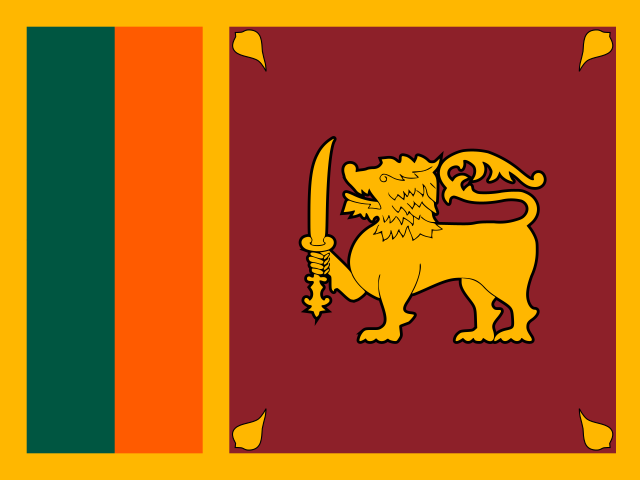 Sri Lanka Sri Lanka | $2,000/mo | 1 year, renewable up to 5 years |
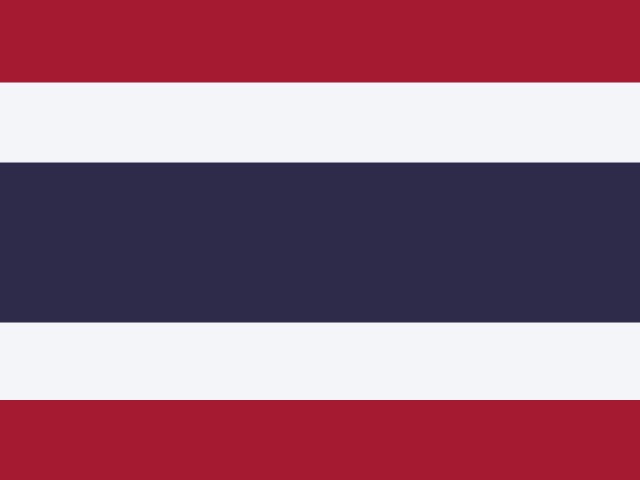 Thailand Thailand | 500,000 THB (≈ $14,900) in savings | 5 years, renewable |
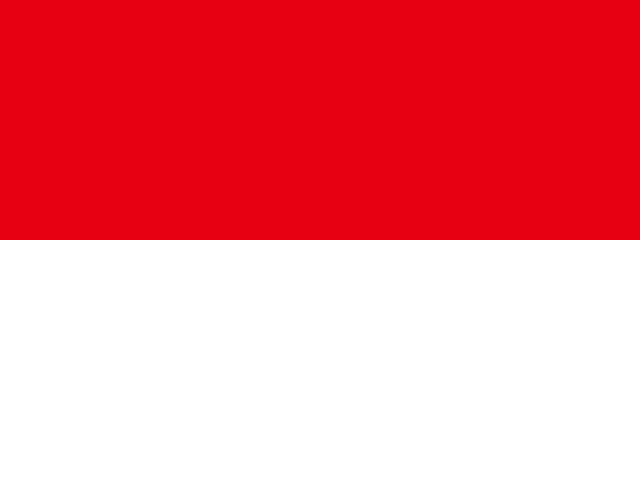 Indonesia Indonesia | $60,000/yr | 1 year, not renewable |
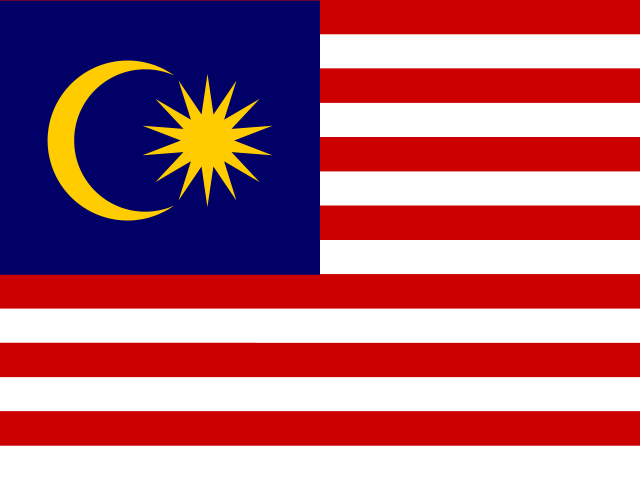 Malaysia Malaysia | $24,000/yr | 1 year, renewable up to 2 years |
What applicants actually run into
The honest read for 2026 is patience. Nepal's proposal is genuinely appealing — low income bar, long visa, a possible 5% tax — but none of it is bookable, and travel-media headlines have run well ahead of the paperwork. If Nepal is on your shortlist, set a reminder to recheck the Department of Immigration site rather than relying on aggregator guides, and hold a live alternative in reserve. Also price the US$100,000 health policy early; it is the one requirement that could quietly blow a budget aimed at one of the world's cheapest destinations.
Nepal digital nomad visa: FAQ
Is Nepal's digital nomad visa available yet?
How much income do you need for Nepal's digital nomad visa?
Can you use savings instead of income for Nepal's nomad visa?
How long will Nepal's digital nomad visa last?
Will digital nomads pay tax in Nepal?
What health insurance does Nepal's nomad visa require?
Sources
The primary sources below are the official references this page is checked against. Its figures are currently being re-confirmed — last updated July 21, 2026.
- Nepal Department of Immigration — official site (watch for the Digital Nomad Visa rollout) ↗
- The Kathmandu Post — Nepal eyes tourism, economic boost with new digital nomad visa policy (28 May 2025) ↗
See our verification methodology and themaster source list.
One or more figures on this page are still being re-confirmed against the official source. Always confirm the current income threshold and rules with the official immigration authority before you apply.
Currency conversions use exchange rates refreshed monthly; the underlying requirement is set in the country's own currency and can move when rates or the local minimum wage change.